Westfield Locksmiths Service Team
Local locksmith team
May 14, 2026 11 min read
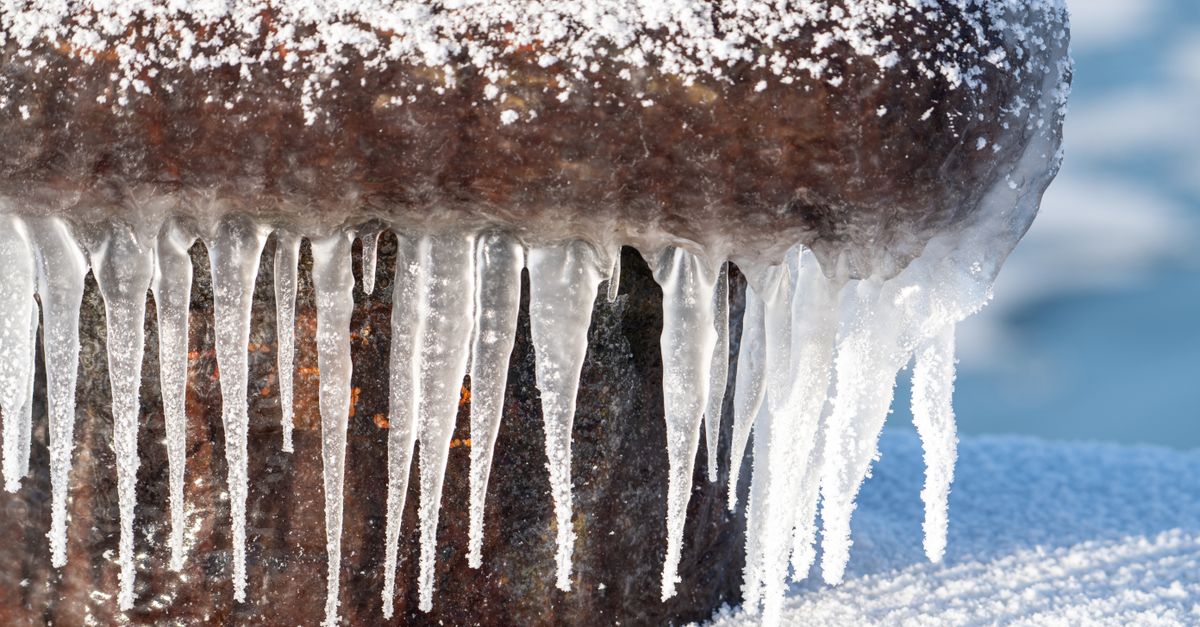
A single-digit wind chill on East Broad Street, a dead car lock that won't turn, and a front door that feels like it's frozen shut — winter in Westfield, NJ has a particular way of reminding homeowners and drivers just how much they rely on working locks. When temperatures dip below freezing, the metal cylinders, springs, and tumblers inside your locks contract, moisture that crept in overnight turns to ice, and what should be a two-second task becomes a frustrating — sometimes dangerous — ordeal in the cold.
The good news is that most cold-weather lock failures are preventable, and when prevention isn't enough, a trained mobile locksmith can reach you fast — any hour, any night. This guide walks you through exactly why locks seize in winter, which types are most vulnerable (including the mortise lock, which is common in older Westfield homes), and the practical steps you can take right now to stay ahead of a lockout before the next nor'easter rolls through Union County.
## Why Cold Weather Is the Enemy of Every Lock and Door Knob Lock
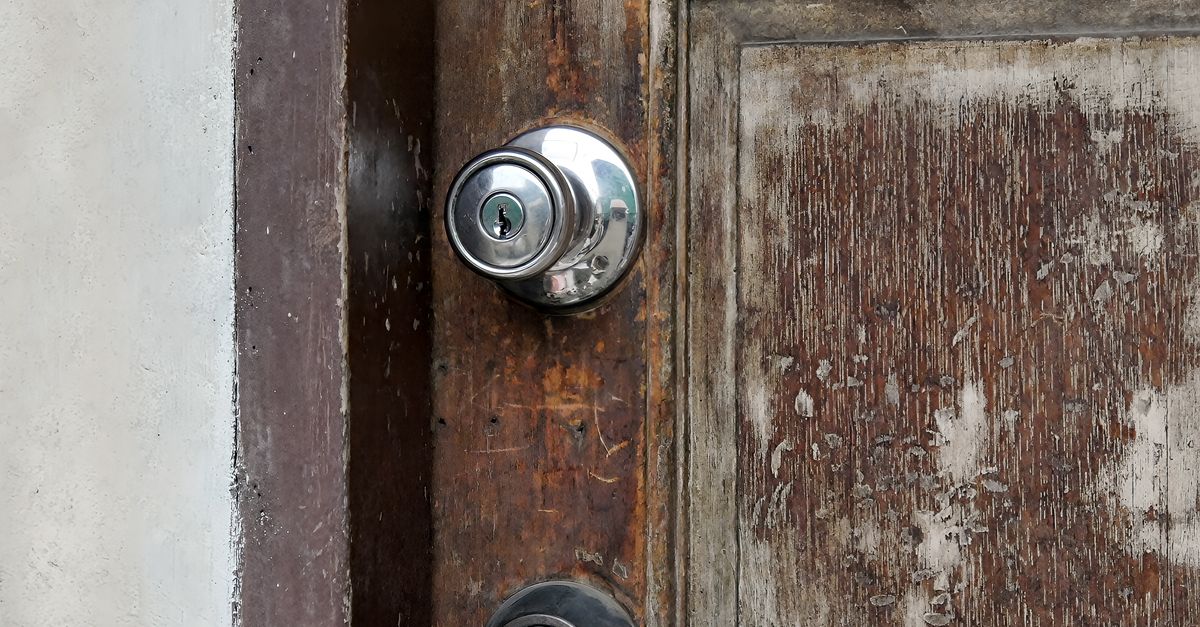
Metal contracts in the cold — that's basic physics, but it has real consequences for your lock hardware. The cylinder inside a door knob lock or deadbolt is machined to tight tolerances, and when those metal parts shrink at slightly different rates, pins and springs that normally glide smoothly can bind, stick, or refuse to engage the shear line. Add a thin film of moisture — from rain, snow melt, or even humid air — and you have the recipe for a frozen lock. That moisture seeps into the keyway, the latch mechanism, or the gap between the door edge and the strike plate, then expands as it freezes, jamming components that have no room to move.
Older door hardware, especially the classic mortise lock found throughout Westfield's Victorian-era and early-twentieth-century homes near Elm Street and the historic downtown district, is particularly susceptible. A mortise lock is a full-mechanism unit set into a pocket cut in the door edge, housing the latch, deadbolt, and sometimes a privacy function all in one case. That larger internal cavity collects more moisture than a simple bored-cylinder lock, and the multi-part linkage inside can seize at several points simultaneously. If you live in a period home and you're still using the original mortise lock hardware, a pre-winter inspection is well worth scheduling before December.
## How to Prevent Frozen Locks — Practical Steps for Homeowners and Drivers
The most effective prevention tool costs almost nothing: a graphite-based dry lubricant or a purpose-made lock de-icer spray applied to keyways before the cold season starts. Insert your key and work it in and out several times to distribute the lubricant through the pin stack and plug. Avoid WD-40 in lock cylinders — it's a solvent and moisture displacer, not a lasting lubricant, and it can attract grit that worsens binding over time. For exterior door knob locks and deadbolts, a quick application in October and again after the first hard freeze will carry most hardware through winter without incident. For mortise lock mechanisms, a trained locksmith can lubricate the internal linkage properly during a scheduled maintenance visit, because the working parts sit deeper inside the door than a spray can easily reach.
On the vehicle side, car door locks freeze when water collects in the rubber seal around the door frame and wicks into the lock actuator. Rubbing a thin coat of petroleum jelly along door seals in late autumn slows moisture intrusion significantly. If your car door is already frozen shut, gentle pressure — not yanking — while you work a proper lock de-icer into the keyway is the right approach. Never pour hot water directly onto a frozen car lock or door glass; the rapid temperature change can crack the glass or warp a door seal. If you're ever locked out of your vehicle in the Westfield area and standard de-icing hasn't worked, call us before you try anything that risks damaging the lock or the door itself.
## Mortise Lock Maintenance: The Overlooked Winter Prep Task
A mortise lock is engineered for durability and security — many of the cast-iron and brass units installed in Westfield homes a century ago are still functioning today. But durability doesn't mean maintenance-free. The internal case of a mortise lock holds a half-dozen or more moving components: latch bolt, deadbolt, follower, rose spindle, and springs for each. In winter, any one of those parts can become the failure point. A worn follower spring that worked fine in September may not have enough tension to retract the latch against a frozen strike plate in January, leaving you unable to open or close the door at all.
If you notice your mortise lock becoming stiff or requiring more force than usual as temperatures drop, that's the ideal time to call a professional before it becomes a full lockout. A skilled locksmith can disassemble, inspect, clean, and re-lubricate the mechanism, replace worn springs or a fatigued latch bolt, and adjust the strike plate alignment — all of which extend the lock's life and eliminate the failure points winter will otherwise exploit. We work with mortise lock hardware regularly across Westfield and the surrounding Union County area, and we stock common replacement parts so most repairs can be completed in a single visit.
## Emergency Locksmith Services When Prevention Wasn't Enough
Even well-maintained locks can fail when temperatures plunge overnight unexpectedly. If you find yourself locked out — whether it's a frozen front door, a malfunctioning mortise lock, a seized door knob lock, or a car you can't get into before an early morning commute — the priority is staying safe and warm while you get professional help. Move to a sheltered spot if possible, let someone inside know if that's an option, and check whether another entry point (a side door, garage access, or a window you left unlocked) is accessible. Beyond that, the right call is to a trained emergency locksmith rather than attempting to force entry yourself, which risks damaging the door frame, the lock case, or worse.
As a 24/7 mobile locksmith serving Westfield and the broader Union County region, we respond to emergency calls at any hour — including the coldest nights of the year when lockouts are most likely to happen. Our team comes to you fully equipped, which means we assess the situation, confirm a firm price before any work begins, and get you back inside without unnecessary damage to your door or hardware. For residential emergency calls, commercial locksmith needs, and vehicle lockouts alike, you can reach us any time at (908) 529-8021. We answer every call, 365 days a year.
When homeowners ask how much does an emergency locksmith cost near me, the honest answer is that the final quote depends on several factors: the type of lock involved (a mortise lock repair requires different tools and time than a standard deadbolt), whether it's a residential or commercial locksmith job, the time of day, travel distance from our current location, and whether replacement parts are needed. What we always do is confirm that exact price with you upfront — before any work starts — so there are no surprises on a night that's already stressful enough.
## What Is a Locksmith Call Out Fee, and What Affects the Total Cost in NJ?
A common question we hear is: what is a locksmith call out fee? In general terms, a call out fee is a base charge that covers dispatch and travel to your location. From there, the total you pay depends on the specific service needed. For example, responding to a frozen car lock in a parking lot off North Avenue on a weekday afternoon involves different variables than an after-midnight emergency involving a stuck mortise lock on a commercial building's front door — the lock type, required parts, time of day, and complexity of the work all factor in. When people ask how much does a locksmith cost in NJ, there is no single figure that applies to every situation, which is why we always quote a confirmed price before starting.
This transparency matters especially in winter, when stress runs high and people are cold and frustrated. We want you to understand exactly what you're paying for and why — not hand you a surprise bill after the fact. Whether you need a mortise lock serviced, a door knob lock replaced, a new key cut, or a commercial locksmith to re-key your building after a staff change, the price conversation happens first. Our team is insured, experienced, and familiar with the range of lock hardware found across Westfield — from the century-old mortise lock cases on Victorian colonials near Dudley Avenue to the modern electronic deadbolts on newer construction closer to the Route 22 corridor.
## A Quick Guide to Winter-Ready Lock Maintenance for Westfield Homeowners
Here is a practical pre-winter checklist you can run through every October before the cold sets in: Test every exterior lock with your key — if it's stiffer than normal, address it now, not during a snowstorm. Apply a dry graphite lubricant to keyways on all exterior doors and any padlocks on outdoor gates or sheds. Inspect door frames for warping — a door that doesn't close squarely puts uneven stress on the latch and strike plate, which compounds in cold weather. Check the weatherstripping around all exterior doors; gaps invite moisture into the lock edge. If you have a mortise lock on any exterior door, schedule a professional maintenance visit to have the internal mechanism inspected and lubricated properly. And keep a spare key with a trusted neighbor or family member nearby — not hidden outside, where it can be discovered.
For vehicle owners: treat door seals with a silicone or petroleum-jelly-based protectant, keep a small de-icer spray in your bag or briefcase (not in the car, where it won't help you), and if your car uses a traditional key rather than a proximity fob, have a spare cut and stored somewhere accessible. If you're ever in a situation where none of these steps are enough, Westfield Locksmiths is one call away at (908) 529-8021 — any time, day or night, in any weather.
Frequently asked questions
How much does an emergency locksmith cost near me in Westfield, NJ?+
There is no flat rate that applies to every emergency locksmith situation, because the final cost depends on the type of lock involved (for example, a mortise lock is more complex than a standard cylindrical lock), the time of day, how far we're traveling, and whether replacement parts are required. What we always do is confirm a firm, exact price with you before any work begins — so you know the total upfront and can make an informed decision without pressure. Call (908) 529-8021 any time and we'll walk you through an honest quote for your specific situation.
What is a locksmith call out fee and does Westfield Locksmiths charge one?+
A call out fee is a base charge some locksmiths apply to cover the cost of dispatching a technician to your location. Whether and how travel costs factor into a quote varies by company and situation. When you call us, we assess your specific location and the service needed, then give you a single confirmed price that accounts for all of the variables — travel, labor, and parts — before we start any work. There are no hidden charges added after the fact. Call (908) 529-8021 to get a straightforward quote any time of day or night.
Why does my mortise lock stick or jam in cold weather, and can it be repaired?+
A mortise lock contains multiple moving components housed inside a cavity cut into the door edge, which makes it more exposed to moisture than a surface-mounted lock. In winter, moisture inside the case can freeze and prevent the latch bolt, deadbolt, or internal linkage from moving freely. In most cases this is repairable without replacing the entire unit — a trained locksmith can disassemble the mechanism, clean out old lubricant and debris, replace worn springs or a fatigued bolt, and re-lubricate the internals so everything moves cleanly again. Annual pre-winter maintenance visits are the best way to keep a mortise lock performing reliably through cold-weather months.
What should I do if I'm locked out of my home or car during a New Jersey winter storm?+
First, move to a sheltered location if at all possible and check whether any other entry point to your home or vehicle is accessible. Do not attempt to force a frozen lock or door — doing so risks damaging the lock case, door frame, or weather sealing in ways that are costly to repair and may leave the property less secure. Instead, call a trained mobile locksmith who can reach you quickly, assess the situation properly, and get you back in without damage. Westfield Locksmiths is available 24 hours a day, every day of the year — including during storms — at (908) 529-8021.