Why Keys Snap — and Why It Matters for Broken Key Extraction
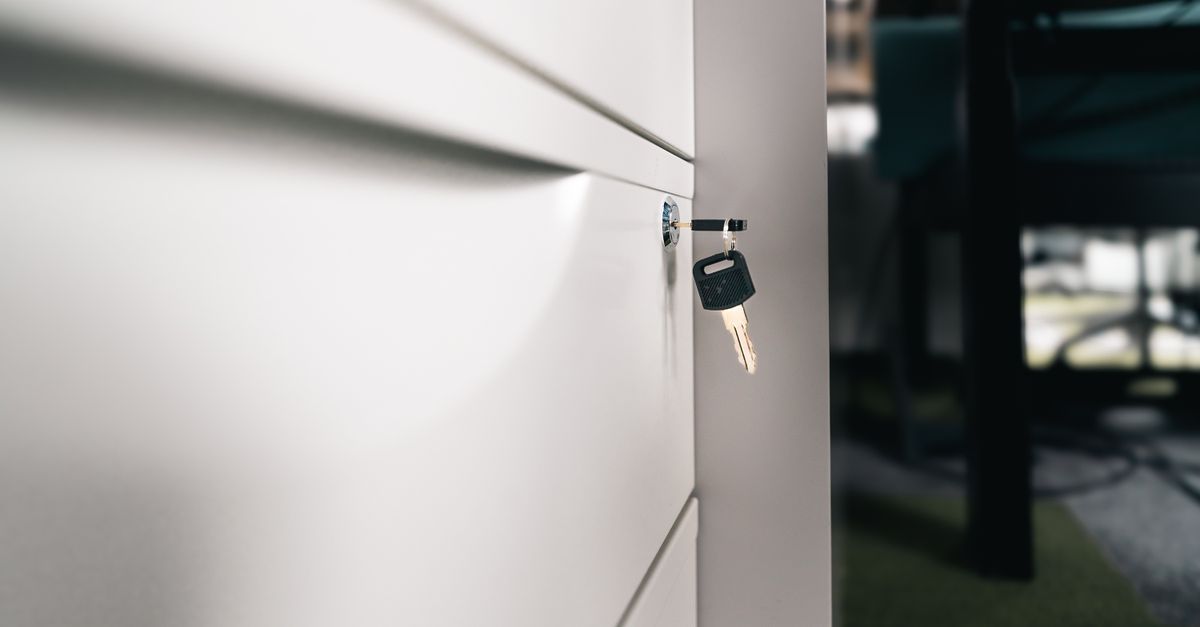
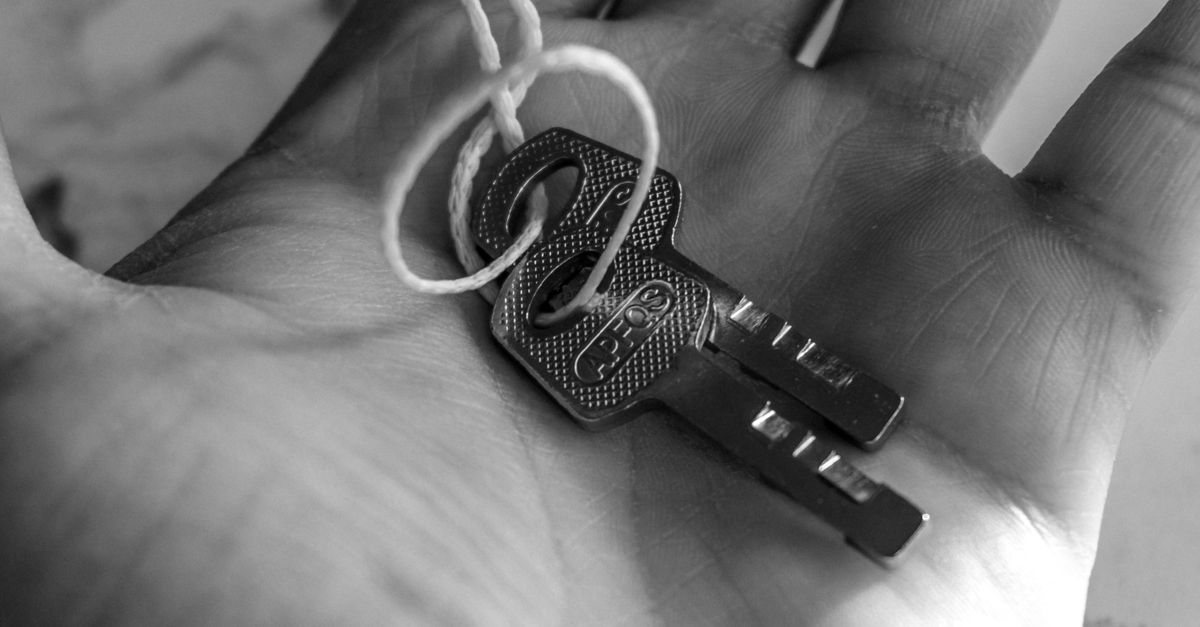
Keys do not usually snap without warning. Brass and nickel-silver keys develop micro-fractures over months or years of heavy use, especially when the lock itself is stiff, misaligned, or in need of lubrication. Mortise locks — the deep, rectangular lock bodies common in older Westfield homes and many commercial storefronts along South Avenue — place more rotational stress on a key than a standard spring latch, making a worn key more likely to fail mid-turn. Door knob locks with worn tumblers can catch the key blade at an angle, and ignition cylinders with worn wafers can grip the key just tightly enough that a firm tug is all it takes to snap the blade clean off.
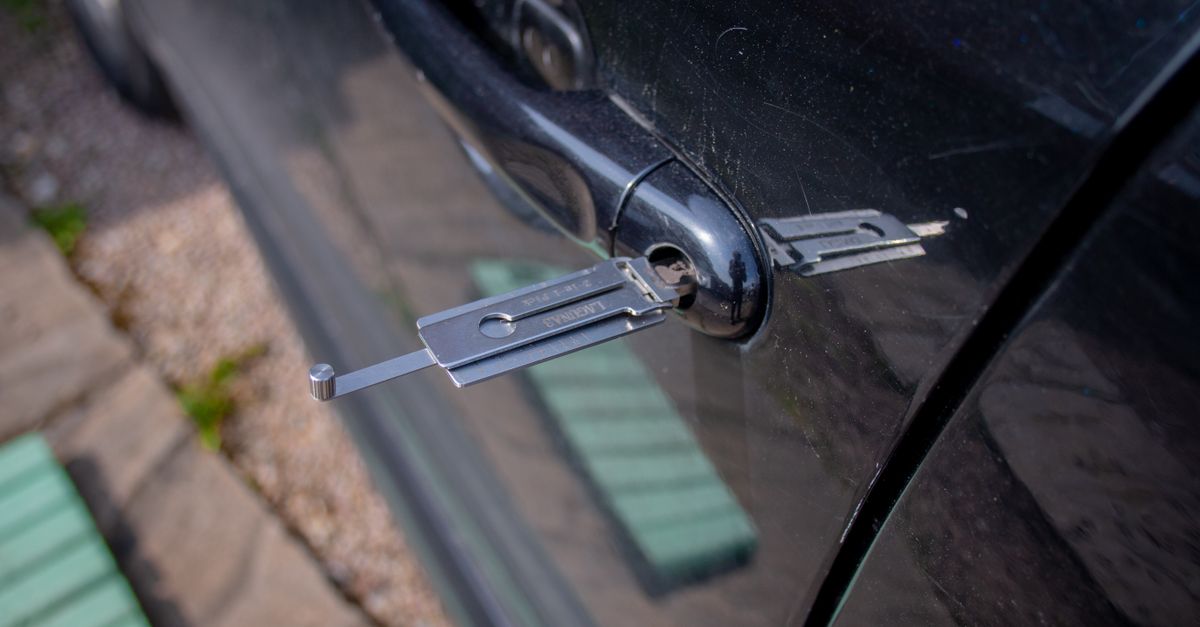
Understanding the cause matters because it shapes the extraction strategy. A key that snapped flush with the face of a mortise lock requires a different approach than one that broke off with a short stub protruding from an ignition cylinder. Our technicians assess the position of the fragment, the type of lock or cylinder involved, and the condition of the surrounding hardware before selecting tools — ranging from hook extractors and spiral picks to purpose-built broken key extractor sets designed for automotive ignitions. The goal every time is damage-free removal where possible, preserving the lock so a new key can be cut and you are back to normal without replacing expensive hardware.